
In the fast-paced world of food distribution, pharmaceutical logistics, and fresh produce supply chains, temperature control is not a luxury—it is a lifeline. Every year, billions of dollars worth of perishable goods are lost globally due to improper temperature management. From fresh fruits and vegetables to dairy products, vaccines, and flowers, the margin between profit and loss often comes down to a single degree Celsius. This is where Chilled Storage becomes indispensable. Unlike freezing storage, which maintains temperatures below zero to transform water into ice, chilled storage operates in a carefully controlled range typically between +1°C and +8°C. This range slows bacterial growth, reduces respiration rates in produce, and extends shelf life without damaging cellular structures. Chilled storage is the backbone of modern cold chain logistics, enabling supermarkets to offer fresh meat, restaurants to receive quality ingredients, and hospitals to store life-saving medications. Without reliable chilled storage, the modern economy as we know it would simply collapse. As consumer demand for fresh, high-quality products continues to rise, understanding the science, infrastructure, and best practices of chilled storage becomes essential for any business dealing with temperature-sensitive inventory.
Chilled Storage
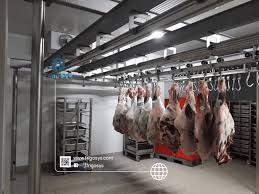
The term Chilled Storage refers to specialized environments designed to maintain temperatures above freezing but significantly lower than ambient conditions. Typically, this range falls between +1°C and +8°C, although specific products may require narrower bands. For example, fresh meat is best stored at +1°C to +2°C, fresh produce at +4°C to +6°C, and dairy products at +2°C to +4°C. The science behind chilled storage revolves around two principles: temperature control and humidity management. Lower temperatures slow enzymatic reactions and microbial growth, while proper humidity (usually 80% to 95% for produce) prevents dehydration and wilting. Modern chilled storage facilities incorporate several critical components. First is the refrigeration system, which may use ammonia, Freon, or CO2-based compressors for efficient cooling. Second is insulation—typically polyurethane foam panels with thicknesses exceeding 100mm to prevent thermal leakage. Third is air circulation, with strategically placed evaporator fans ensuring uniform temperature throughout the space, eliminating hot or cold spots. Advanced facilities also feature anti-condensation systems, automatic defrost cycles, and backup generators to protect against power outages. Businesses that underestimate the complexity of chilled storage often face disaster: wilted lettuce arriving at restaurants, yogurt cultures dying before reaching shelves, or vaccines losing potency. By contrast, professional chilled storage extends product life by 300% to 500%, reduces waste, and protects brand reputation. With global food waste accounting for nearly one-third of all food produced, investing in proper chilled storage is both an economic and environmental imperative.
Chilled Storage in Riyadh
The capital city of the Kingdom presents a unique and demanding environment for Chilled Storage in Riyadh. Riyadh experiences extreme summer temperatures that regularly exceed 45°C, with asphalt and concrete surfaces radiating even more heat. This external heat places enormous stress on chilled storage infrastructure. Doors opening to load or unload trucks can cause rapid temperature spikes, leading to condensation and potential product damage. Furthermore, Riyadh’s rapid population growth—now exceeding 7 million residents—has created an insatiable demand for fresh food, pharmaceuticals, and imported perishables. Supermarkets like Carrefour, Danube, and Lulu operate dozens of branches across the city, each requiring daily deliveries of chilled goods. Restaurants, hotels, hospitals, and catering companies add further pressure. Consequently, Chilled Storage in Riyadh must be designed for high-frequency access. Facilities need rapid-reacting refrigeration systems, strip curtains or air curtains over doorways, and multiple dock levels to accommodate various truck sizes. Another critical factor is Riyadh’s distance from ports. Unlike Jeddah, which sits on the Red Sea, Riyadh is an inland city requiring trucking of imports over 900 kilometers. This journey takes 10–12 hours, meaning that even before goods reach chilled storage, they have endured transit. Therefore, Riyadh’s chilled storage facilities often serve as transition hubs, receiving goods from long-haul trucks and redistributing them via smaller vans for last-mile delivery. Additionally, the Saudi Food and Drug Authority (SFDA) imposes strict monitoring requirements. Every chilled storage facility in Riyadh must maintain digital temperature logs, provide audit trails, and undergo regular inspections. Non-compliance can lead to facility closure or legal penalties. For businesses operating in Riyadh, selecting a chilled storage partner is not merely about renting space—it is about ensuring regulatory compliance, supply chain continuity, and customer satisfaction in one of the world’s most demanding climates.
Chilled Storage in Saudi Arabia
Looking beyond Riyadh, the broader landscape of Chilled Storage in Saudi Arabia is undergoing a remarkable transformation. Under Vision 2030, the Kingdom has prioritized food security, agricultural self-sufficiency, and logistics infrastructure development. The Saudi government has invested billions of riyals in cold chain projects, recognizing that a nation importing over 80% of its food cannot afford supply chain failures. Major ports in Jeddah (Red Sea) and Dammam (Arabian Gulf) have expanded their reefer container handling capacities, while new logistics zones near Riyadh’s King Khalid International Airport offer bonded chilled storage for air-freighted goods. Geographically, Chilled Storage in Saudi Arabia must account for three distinct climate zones. The western coastal region (Jeddah, Makkah, Taif) experiences high humidity from the Red Sea, requiring chilled storage with aggressive dehumidification to prevent ice buildup on evaporators. The central region (Riyadh, Qassim) features extreme heat and dry air, favoring evaporative cooling efficiency but demanding robust insulation. The eastern region (Dammam, Khobar, Jubail) faces both heat and occasional Gulf humidity, plus the unique challenge of proximity to industrial zones where airborne particulates can affect refrigeration equipment. Beyond geography, industry demand drives specialization. The pharmaceutical sector requires chilled storage between +2°C and +8°C for most vaccines and insulin products, with 24/7 monitoring and backup systems. The floral industry, particularly during Hajj and Umrah seasons, requires precise +4°C storage with high humidity to keep flowers fresh. The dairy sector needs consistent +2°C to +4°C to prevent bacterial growth. The fresh produce sector, including imported fruits from Egypt, Jordan, and South Africa, demands careful ethylene gas management within chilled spaces to prevent premature ripening. Saudi Arabia’s chilled storage market is projected to grow at over 8% annually through 2030, driven by retail expansion, e-commerce grocery delivery platforms like Nana Direct and HungerStation, and increasing health consciousness among Saudi consumers. For businesses seeking to enter or expand within this dynamic market, partnering with an experienced, compliant, and well-located chilled storage provider is not optional—it is essential.
Units: Your Trusted Partner for Chilled Storage Across the Kingdom
When the integrity of your perishable products is at stake, you cannot afford guesswork, shortcuts, or inexperienced providers. This is why leading food distributors, pharmaceutical companies, and retailers across Saudi Arabia trust Units as their top company for chilled storage solutions. Units is not a general warehousing provider dabbling in cold storage—we are specialists who have engineered our facilities from the ground up for precise temperature management. Every Units chilled storage chamber features industrial-grade refrigeration units from global leaders like Bitzer and GEA, with automatic redundancy switching to ensure zero downtime. Our insulation panels are 120mm thick, injection-foamed polyurethane with a thermal conductivity rating of just 0.018 W/mK, dramatically reducing energy costs and temperature fluctuation risks. Inside each chamber, we deploy high-velocity air curtains at all entry points, reducing cold air loss by up to 70% during door openings. Our digital monitoring system, accessible to clients 24/7 via our web portal, records temperature and humidity every five minutes, generates automatic alerts if parameters deviate, and maintains tamper-proof logs for SFDA audits.
Units operates multiple chilled storage facilities strategically located across Riyadh, Jeddah, and Dammam. Our Riyadh facility, situated near the intersection of King Fahd Road and Eastern Ring Road, offers unparalleled access to the city’s major commercial districts and distribution routes. We provide four distinct temperature zones: +1°C to +2°C for fresh meat and seafood, +2°C to +4°C for dairy and deli, +4°C to +6°C for fresh produce, and +6°C to +8°C for beverages and certain pharmaceuticals. Clients can rent dedicated rooms or shared spaces, with flexible contracts ranging from monthly storage to multi-year strategic partnerships. Value-added services include real-time inventory management, pick-and-pack, blast chilling for newly received warm products, and chilled last-mile delivery using our fleet of temperature-monitored vehicles.
What truly sets Units apart is our commitment to transparency and client partnership. We provide prospective clients with complimentary site visits and temperature mapping studies, demonstrating exactly how our systems perform before you sign any agreement. Our team includes certified refrigeration engineers, HACCP-trained food safety specialists, and logistics coordinators who speak Arabic, English, and Urdu, ensuring clear communication at every level. Major clients include national supermarket chains, international pharmaceutical distributors, catering companies serving Saudi Aramco and SABIC, and agricultural cooperatives exporting dates and fresh produce. These clients stay with Units for years because they know: when it comes to chilled storage, reliability equals profitability.
Do not let your valuable inventory become another statistic of cold chain failure. Whether you need 50 pallets or 5,000, whether you are storing strawberries or insulin, Units delivers the precision, security, and expertise your products deserve. Visit our website at units.sa to explore our facilities, request a quote, or schedule a consultation with our chilled storage specialists. With Units, your perishables are not just stored—they are preserved with scientific excellence.
Conclusion
The cold chain is only as strong as its weakest link, and for temperature-sensitive products ranging from fresh produce to life-saving medicines, that link is often the storage facility. Chilled Storage provides the critical environment that slows spoilage, extends shelf life, and protects consumer health. In Chilled Storage in Riyadh, the extreme desert climate, high-traffic logistics demands, and stringent SFDA regulations require facilities that go far beyond basic refrigeration—they require engineering excellence and operational discipline. Across Chilled Storage in Saudi Arabia, the rapid growth of retail, e-commerce, and pharmaceutical sectors is driving unprecedented demand for professional cold chain solutions, while Vision 2030 investments in logistics infrastructure create new opportunities for businesses that get storage right. But technology and location alone are insufficient; you need a partner who understands local conditions, maintains rigorous standards, and treats your products with the same care you do. That partner is Units—the top company for chilled storage across the Kingdom. From our redundant refrigeration systems to our real-time monitoring portals and flexible contract terms, Units delivers peace of mind with every pallet. Do not let the heat of Riyadh or the distance of Saudi Arabia’s supply routes compromise your quality. Choose Units, protect your perishables, and grow your business with confidence. Visit units.sa today and discover why industry leaders trust Units for their most temperature-sensitive inventory.
Frequently Asked Questions (FAQs)
1. What is the difference between chilled storage and frozen storage?
Chilled storage maintains temperatures between +1°C and +8°C, which slows bacterial growth and enzymatic activity without freezing the product. Frozen storage operates at -18°C or lower, turning water into ice and stopping nearly all biological activity. Chilled storage is for short-term preservation (days to weeks) of fresh items like meat, dairy, and produce, while frozen storage is for long-term storage (months to years) of items like ice cream, frozen vegetables, and raw meat.
2. Can Units handle halal-certified products separately?
Absolutely. Units strictly segregates halal products from non-halal items in dedicated chambers with separate air handling systems to prevent cross-contamination. We work with halal certification bodies and maintain audit-ready records for clients requiring compliance with halal logistics standards.
3. How do I know my products are staying at the correct temperature inside Units’ facility?
Units provides every client with secure online portal access showing real-time temperature and humidity readings from sensors placed throughout your storage zone. You can view historical data, download reports for regulatory audits, and configure email or SMS alerts if temperatures deviate from your specified range for more than 15 minutes.
4. Does Units offer temporary chilled storage for seasonal peaks like Ramadan or Hajj?
Yes. Units understands that demand for chilled storage fluctuates significantly during Ramadan (increased food storage), Hajj (increased pharmaceutical and fresh produce), and summer months (beverage demand). We offer flexible short-term contracts ranging from two weeks to six months, with rapid onboarding and no long-term penalties.
5. What happens if there is a power outage at a Units facility?
All Units chilled storage facilities are equipped with automatic backup generators that activate within 10 seconds of a mains power failure. Additionally, our refrigeration systems have thermal inertia, maintaining safe temperatures for 4–6 hours even without active cooling. We conduct weekly generator load tests and maintain fuel reserves for 72 hours of continuous operation, ensuring your products remain protected through any grid instability.