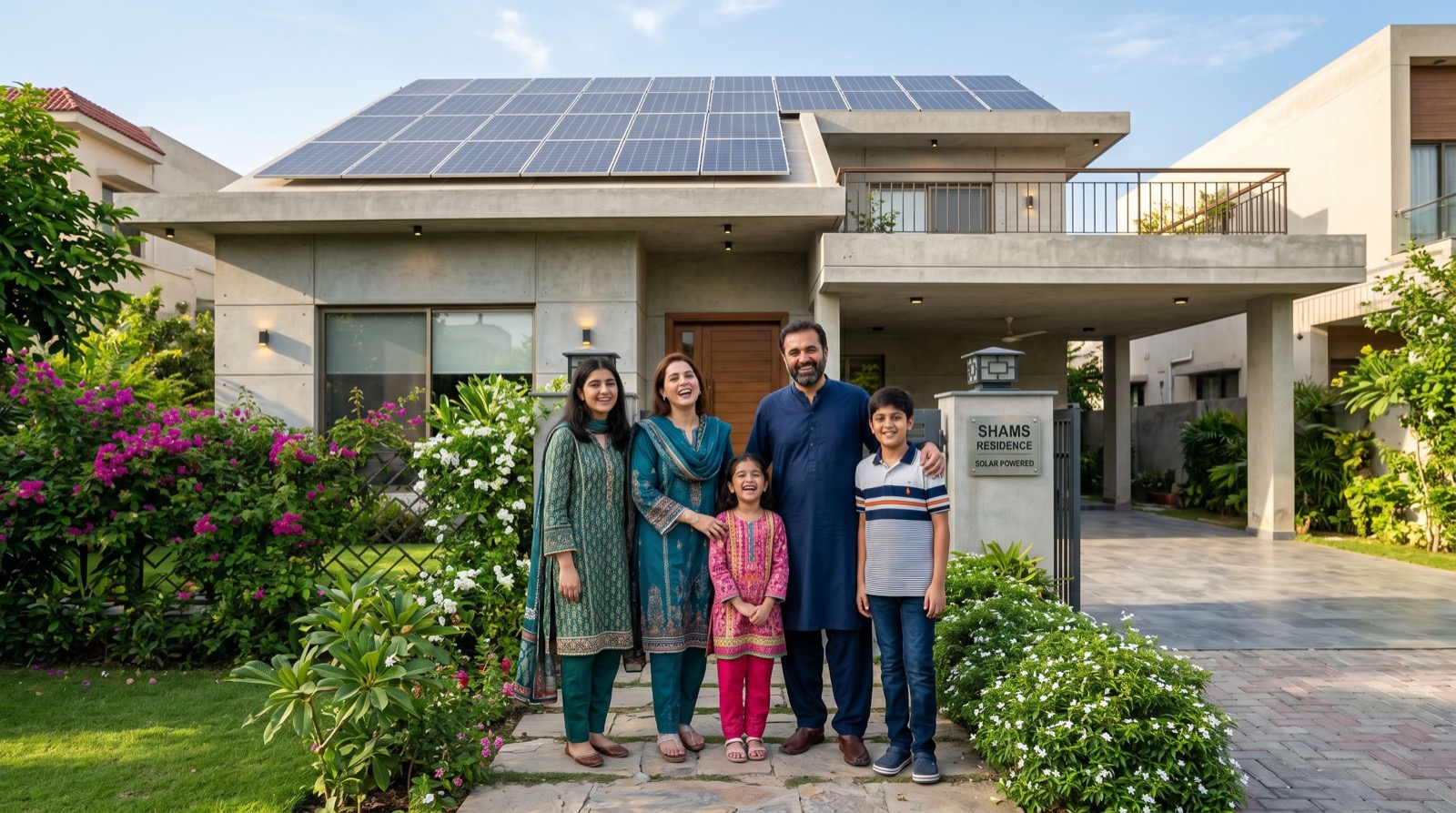
Solar battery storage in Pakistan has moved from luxury to genuine necessity for anyone tired of load-shedding disrupting daily life. While grid-tied panels slash your bills, only a battery keeps the lights on when the grid goes dark. In 2026, lithium technology has become more affordable and longer-lasting, making backup power a practical addition rather than an extravagant one. This guide explains battery types, sizing, real-world maintenance, and how to keep your whole solar system running at peak performance for decades.
Whether you are adding storage to an existing array or planning a hybrid system from scratch, the choices you make about batteries and upkeep determine your comfort during the next outage and your savings over the long run.
What Types of Solar Batteries Work Best in Pakistan?
Battery chemistry drives cost, lifespan, and how much usable energy you actually get. The two dominant options in 2026 are lithium (LiFePO4) and traditional lead-acid, with lithium increasingly winning on total cost of ownership.
| Battery Type | Cycle Life | Usable Depth | Maintenance | Relative Cost |
|---|---|---|---|---|
| Lithium (LiFePO4) | 4,000–6,000 cycles | 90–95% | Minimal | Higher upfront |
| Tubular lead-acid | 1,200–1,800 cycles | 50% | Water top-ups | Lower upfront |
| AGM sealed | 500–1,000 cycles | 50% | Low | Medium |
Although lithium costs more initially, its longer life and deeper usable capacity usually make it cheaper per stored kilowatt-hour over the system’s lifetime. For daily-cycling backup, lithium is the clear 2026 favourite.
How Much Storage Do You Need?
Size your battery to the loads you must keep running during an outage — typically fans, lights, a refrigerator, and phone chargers. A modest 5 kWh bank covers essential circuits for several hours, while whole-home backup may need 10–15 kWh or more. Oversizing wastes money, so map your critical loads first.
How Do You Maintain a Solar System for Maximum Life?
Solar systems are famously low-maintenance, but a little attention keeps generation high and warranties valid. Follow this routine to protect your investment.
- Clean panels regularly — dust and bird droppings can cut output by 15–25%.
- Inspect connections annually — check for corrosion, looseness, or heat marks.
- Monitor via the app — a sudden drop in output signals a fault to investigate.
- Check battery health — review state-of-charge patterns and capacity over time.
- Trim shading — cut back branches that begin to shadow the array.
Panel cleaning is the single highest-impact task. Just as thorough deep-cleaning restores a space to peak condition — the same discipline these trusted professionals bring to end-of-tenancy work — a clean solar array simply performs better and pays you back faster.
Seasonal Maintenance Tips
Dusty pre-monsoon months demand more frequent cleaning, while the rainy season often rinses panels naturally. In winter, low sun angles mean orientation matters more, so keep any nearby obstructions trimmed. A quick quarterly walk-around catches most issues before they cost you generation.
Why Is Battery Care Different From Panel Care?
Panels are passive and durable, but batteries are active chemistry that ages with every cycle. Treating them well dramatically extends their service life.
- Avoid deep over-discharge — respect the recommended depth of discharge.
- Keep them cool — heat accelerates capacity loss, so ventilate the enclosure.
- Maintain firmware — update the battery management system when advised.
- Balance charging — let the BMS complete full cycles periodically.
The International Energy Agency highlights that falling storage costs are accelerating solar-plus-battery adoption worldwide, and Pakistan is riding that same wave. Proper care ensures you capture the full lifetime value of that investment.
How Do You Calculate the Right Battery Size?
Battery sizing trips up more buyers than any other part of a storage project. Too small and the lights still go out during a long outage; too large and you pay for capacity that never gets used. The right approach starts with your critical loads, not your total consumption.
List every appliance you must keep running during an outage and its wattage, then estimate how many hours of backup you want. Multiply watts by hours to reach the watt-hours of storage you need, then add a margin for battery efficiency and reserve depth.
- Total your essential loads — lights, fans, refrigerator, router, chargers.
- Set a backup duration — four hours of evening load-shedding is a common target.
- Multiply to get watt-hours — this is your baseline storage requirement.
- Add a 20–30% buffer — accounting for efficiency and safe depth of discharge.
For example, essential loads of 1,000 watts over four hours need 4 kWh, so a 5 kWh lithium bank comfortably covers it with reserve. Whole-home backup naturally requires far more, which is why mapping only your must-have circuits keeps costs sensible.
Pairing Batteries With Your Inverter
Your battery must match your hybrid inverter’s voltage and communication protocol. Mismatched components either refuse to work together or lose efficiency and warranty coverage. This compatibility check is a core reason battery projects belong in the hands of professionals rather than DIY experiments.
Getting Professional Installation and Support
Battery systems involve higher voltages and careful integration with your inverter, so professional installation is non-negotiable for safety and warranty. Homeowners arranging solar installation in Sialkot should confirm their vendor is experienced with hybrid inverter and battery commissioning. Likewise, those planning solar installation in Rawalpindi benefit from installers who offer ongoing maintenance contracts, so panel cleaning and battery checks happen on schedule rather than being forgotten.
A good service agreement pairs your low-maintenance hardware with periodic expert inspections, giving you decades of dependable clean power without the guesswork.
Frequently Asked Questions
How long do solar batteries last in Pakistan?
Lithium (LiFePO4) batteries typically last 4,000 to 6,000 cycles, roughly 8 to 12 years of daily use. Lead-acid options last far fewer cycles, which is why lithium usually wins on lifetime cost despite the higher upfront price.
How often should I clean my solar panels?
In dusty conditions, clean every four to six weeks; in cleaner or rainier periods, quarterly is often enough. Regular cleaning prevents the 15–25% output loss that heavy dust accumulation can cause.
Do I need a battery if I have net metering?
Not for savings — net metering uses the grid as virtual storage. You only need a battery if you want backup power during outages. Many homeowners choose hybrid systems to enjoy both benefits.
Is solar battery maintenance difficult?
Lithium batteries need very little hands-on care beyond keeping them cool and letting the management system do its job. A professional annual check confirms health and catches issues early, protecting your warranty.
Conclusion
Solar battery storage in Pakistan finally makes reliable, load-shedding-proof power affordable in 2026, especially when paired with a disciplined maintenance routine that keeps panels clean and batteries healthy. Choose lithium for the best lifetime value, size storage to your essential loads, and partner with an installer who offers ongoing support. Invest in quality solar battery storage today, look after it well, and enjoy quiet, dependable energy independence for decades to come.