In the modern world of logistics, retail, and industrial operations, one fundamental truth remains constant: the quality of your storage directly impacts the quality of your business. Whether you are safeguarding food products, pharmaceuticals, textiles, or electronic components, moisture is the silent enemy. It leads to mold, rust, degradation, and significant financial loss. This is where Dry Storage becomes not just an option, but a critical operational necessity. Dry storage refers to facilities specifically designed to maintain low humidity levels, stable temperatures, and absolute protection against water intrusion, condensation, and environmental moisture. Unlike standard warehousing, dry storage environments prioritize air circulation, vapor barriers, and climate control to ensure that every item—from bagged cement to imported spices—remains in pristine condition for weeks, months, or even years. As supply chains grow more complex and businesses demand higher accountability, investing in professional dry storage is the difference between preserving asset value and writing off damaged inventory.
Dry Storage
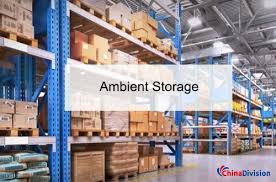
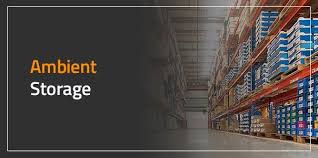
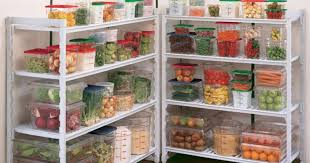
Understanding the core principles of Dry Storage is essential for any business owner. At its simplest, dry storage is any space—room, warehouse, or container—that maintains a relative humidity (RH) level below 60%, ideally between 35% and 50%. This range prevents condensation, inhibits bacterial growth, and stops corrosion. However, true professional dry storage goes far beyond a dehumidifier in a corner. It involves sealed roofing, raised flooring to avoid ground moisture, industrial-grade ventilation systems, and continuous humidity monitoring. There are several types of dry storage solutions available today. Ambient dry storage is suitable for non-perishable goods like paper products, canned foods, and hardware. Temperature-controlled dry storage (often between 15°C and 25°C) is necessary for chocolates, wines, and certain chemicals. Then there is low-humidity dry storage, often used for hygroscopic materials—substances that absorb moisture from the air, such as sugar, salt, or pharmaceutical powders. Businesses that neglect proper dry storage face real consequences: rusted metal parts, clumped powders, weakened cardboard packaging, and even pest infestations that thrive in damp environments. By contrast, companies that prioritize professional dry storage benefit from longer inventory shelf life, reduced insurance claims, higher customer satisfaction, and compliance with strict Saudi quality standards. In a competitive marketplace, your storage solution is a silent ambassador of your brand’s reliability.
Dry Storage in Riyadh
The capital city of the Kingdom, Riyadh, presents a unique set of challenges and opportunities when it comes to Dry Storage in Riyadh. While Riyadh is known for its arid desert climate with extremely low average rainfall, the city also experiences significant temperature swings—scorching heat during the day and cooler nights. These fluctuations cause condensation, especially inside metal shipping containers or poorly insulated warehouses. Moreover, Riyadh’s rapid urban expansion and industrial growth have led to a surge in demand for storage from sectors such as e-commerce, FMCG (fast-moving consumer goods), construction, and healthcare. For example, a pharmaceutical company storing vaccines or sensitive medical devices cannot afford even 24 hours of high humidity. Similarly, a food distributor holding grains, dried fruits, or spices needs absolute protection against moisture that could lead to aflatoxins or mold. Dry Storage in Riyadh must also account for dust control, as fine desert particles can infiltrate storage units and contaminate products. The best facilities in Riyadh use positive air pressure systems, HEPA filters, and real-time IoT humidity sensors that trigger alerts if levels deviate from set parameters. Another factor specific to Riyadh is the logistics corridor—being a hub for redistribution to other Gulf Cooperation Council (GCC) countries means that dry storage units here must support rapid loading and unloading. Accessibility, dock levelers, and wide aisles for forklifts are just as important as climate control. Businesses searching for Dry Storage in Riyadh should look for providers that offer flexible lease terms, 24/7 security surveillance, and fire suppression systems, because in a city moving at the speed of Vision 2030, downtime and damaged goods are simply unacceptable.
Dry Storage in Saudi Arabia
Zooming out to the national level, the landscape of Dry Storage in Saudi Arabia has transformed dramatically over the past five years. With the Kingdom aggressively diversifying its economy away from oil under Vision 2030, sectors like logistics, manufacturing, tourism, and retail have exploded. Major ports in Jeddah on the Red Sea and Dammam on the Arabian Gulf serve as gateways for billions of riyals worth of imports. From there, goods must travel inland to distribution centers in Riyadh, industrial cities like Jubail, and emerging economic zones. Saudi Arabia’s extreme climate—intense summer heat, occasional coastal humidity, and even winter fog—means that a one-size-fits-all storage approach fails. For instance, dry storage needs in humid Jeddah differ vastly from those in dry Riyadh. National providers of Dry Storage in Saudi Arabia must therefore operate multiple micro-climate zones within their facilities. Additionally, Saudi regulatory bodies such as the Saudi Food and Drug Authority (SFDA) and the Saudi Standards, Metrology and Quality Organization (SASO) impose strict guidelines on storage conditions for food, cosmetics, and medical supplies. Non-compliance can result in heavy fines or license revocation. This is why modern dry storage facilities across the Kingdom now integrate advanced building management systems (BMS) that record temperature and humidity logs for audit purposes. Another trend reshaping Dry Storage in Saudi Arabia is the rise of halal logistics. Halal-certified products require segregation and specific hygiene standards, which dry storage units can provide when designed properly. Furthermore, with the influx of international retailers setting up regional hubs in Saudi Arabia, demand for bonded dry storage—where customs duties are deferred—has grown significantly. The future of dry storage in the Kingdom is smart, automated, and integrated with real-time inventory management systems. Businesses that fail to adapt will find themselves left behind as competitors leverage superior storage to offer better pricing and faster turnaround.
Units: Your Trusted Partner for Dry Storage
When it comes to selecting a storage partner that understands the nuances of Riyadh’s climate, the complexity of Saudi national regulations, and the global standards of dry storage, one name rises above the rest: Units. With a proven track record across the Kingdom, Units has established itself as the top company for dry storage solutions. We do not simply rent out empty spaces; we engineer environments. Our facilities are equipped with industrial-grade dehumidification systems, continuous data logging, reinforced concrete construction, and weather-sealed doors. Units offers multiple dry storage categories: ambient, cool dry (18°C–22°C), and low-humidity (below 40% RH) zones, all under one roof. This flexibility allows you to store diverse product lines without dealing with multiple vendors. Located strategically across Riyadh, Jeddah, and Dammam, Units provides easy access to major highways, ports, and airports. Our Riyadh facility, in particular, is designed to handle the capital’s unique dust and temperature swing challenges with positive air pressure vestibules and anti-condensation roofing. Every Unit facility features 24/7 CCTV surveillance, fire detection with inert gas suppression (safe for electronics and food), and biometric access control. You get real-time visibility of your inventory through our customer portal, including humidity reports and temperature graphs. We also offer value-added services such as pick-and-pack, labeling, inventory auditing, and last-mile delivery coordination. Whether you need 50 square meters or 10,000 square meters, Units provides scalable contracts with no hidden fees. Our clients include multinational food brands, pharmaceutical distributors, construction firms, and e-commerce giants—all of whom trust Units to protect their assets. Why gamble with moisture damage when you can partner with the best? Visit our website at units.sa to request a site tour, get a customized quote, or speak with one of our dry storage specialists. With Units, your products are not just stored—they are preserved.
Conclusion
In summary, the difference between a business that struggles with inventory loss and one that thrives often comes down to one factor: storage quality. Dry Storage is the unsung hero of supply chain integrity, protecting goods from the silent destructor of moisture. In Dry Storage in Riyadh, the challenges of temperature swings, dust, and rapid urban growth demand specialized facilities that go far beyond basic warehousing. Across the broader Dry Storage in Saudi Arabia, evolving regulations, halal logistics, and Vision 2030’s economic expansion are raising the bar for what businesses should expect from their storage partners. Investing in professional dry storage reduces waste, ensures regulatory compliance, enhances customer trust, and ultimately boosts your bottom line. But technology and infrastructure alone are not enough—you need a partner who understands local conditions and delivers global standards. That partner is Units, the top company for dry storage across the Kingdom. From our strategically located facilities to our advanced climate control systems and transparent customer portal, Units delivers peace of mind with every square meter. Do not let moisture dictate your profitability. Secure your inventory, protect your brand, and scale your operations with confidence. Visit units.sa today and discover why industry leaders choose Units for their most valuable goods.
Frequently Asked Questions (FAQs)
1. What is the ideal humidity level for general dry storage?
For most non-perishable goods such as dry foods, paper products, textiles, and electronics, the ideal relative humidity (RH) range is between 35% and 50%. Levels above 60% RH increase the risk of mold, corrosion, and insect activity. Units maintains continuous monitoring to keep RH within your specified range.
2. How is Dry Storage in Riyadh different from dry storage in coastal cities like Jeddah?
Riyadh’s desert climate brings extreme heat, significant day-night temperature fluctuations, and fine dust particles. These conditions cause condensation inside containers and require robust air filtration. Coastal cities like Jeddah face high ambient humidity from the Red Sea. Units designs each facility to address local climate challenges, not a one-size-fits-all approach.
3. Can I store food products in dry storage without additional refrigeration?
Yes, many shelf-stable dry foods—grains, legumes, dried spices, canned goods, and packaged snacks—are perfectly safe in ambient dry storage (15°C–25°C, 35%–50% RH). However, some products like chocolate, nuts, or dried fruit may benefit from cool dry storage (below 18°C). Units offers multiple temperature zones so you can choose what fits your products.
4. Does Units provide short-term dry storage rentals for seasonal inventory?
Absolutely. Units offers flexible lease terms ranging from one month to multiple years. Whether you need overflow storage for Ramadan demand, seasonal construction materials, or temporary warehousing during a logistics transition, Units accommodates your timeline without long-term lock-in penalties.
5. How can I monitor the condition of my stored goods remotely?
All Units facilities come with a customer web portal and mobile-friendly dashboard. You can log in anytime to view real-time temperature and humidity readings, access historical data logs for audit purposes, check security camera feeds (authorized access only), and receive instant alerts if any environmental parameter falls outside your preset range.